The Bay Bridge Commute: Two Decks, One Bottleneck, a Region's Morning
Every weekday, the East Bay and San Francisco negotiate the same crossing. The Bay Bridge meter lights, the toll plaza and the tube of brake lights are the region's truest rush-hour portrait.
The Bay Bridge commute begins before the bridge does — in the braid of freeways on the Oakland side where I-80, I-580, I-880 and I-980 converge on the toll plaza, metering lights metering the region's ambition into fifteen-second intervals. By the time traffic reaches the span, the morning has already been decided.
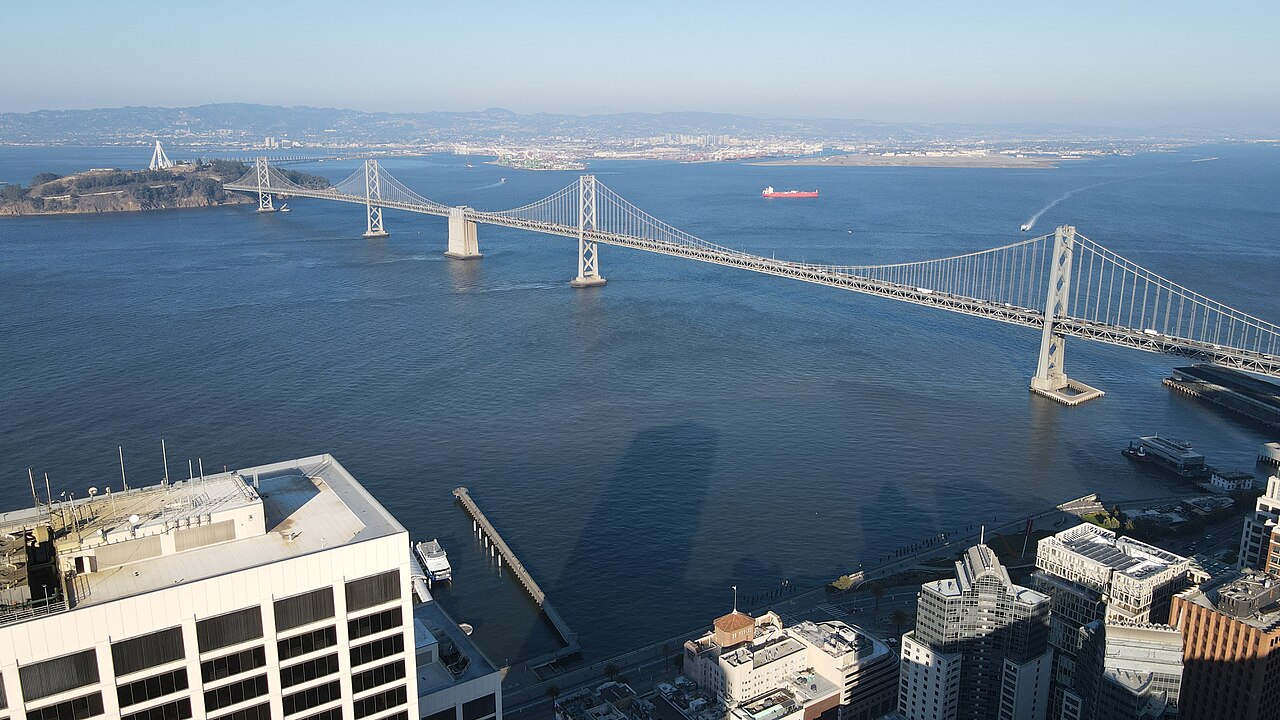
The crossing itself is two bridges and a tunnel wearing one name: the eastern span from Oakland to Yerba Buena Island, the tunnel through the island, and the double-deck western span into downtown San Francisco — upper deck westbound, lower deck eastbound, a traffic pattern so ingrained that regulars measure their commutes in decks.
Caltrans runs the corridor, and its tools are familiar to anyone who drives it: metering lights to protect the span, incident crews for the stalls and fender-benders that can cost thousands of drivers their morning, and the FasTrak lanes that replaced the old toll booths' cash scramble. What no tool removes is geometry — a region's worth of drivers, one island, two decks.
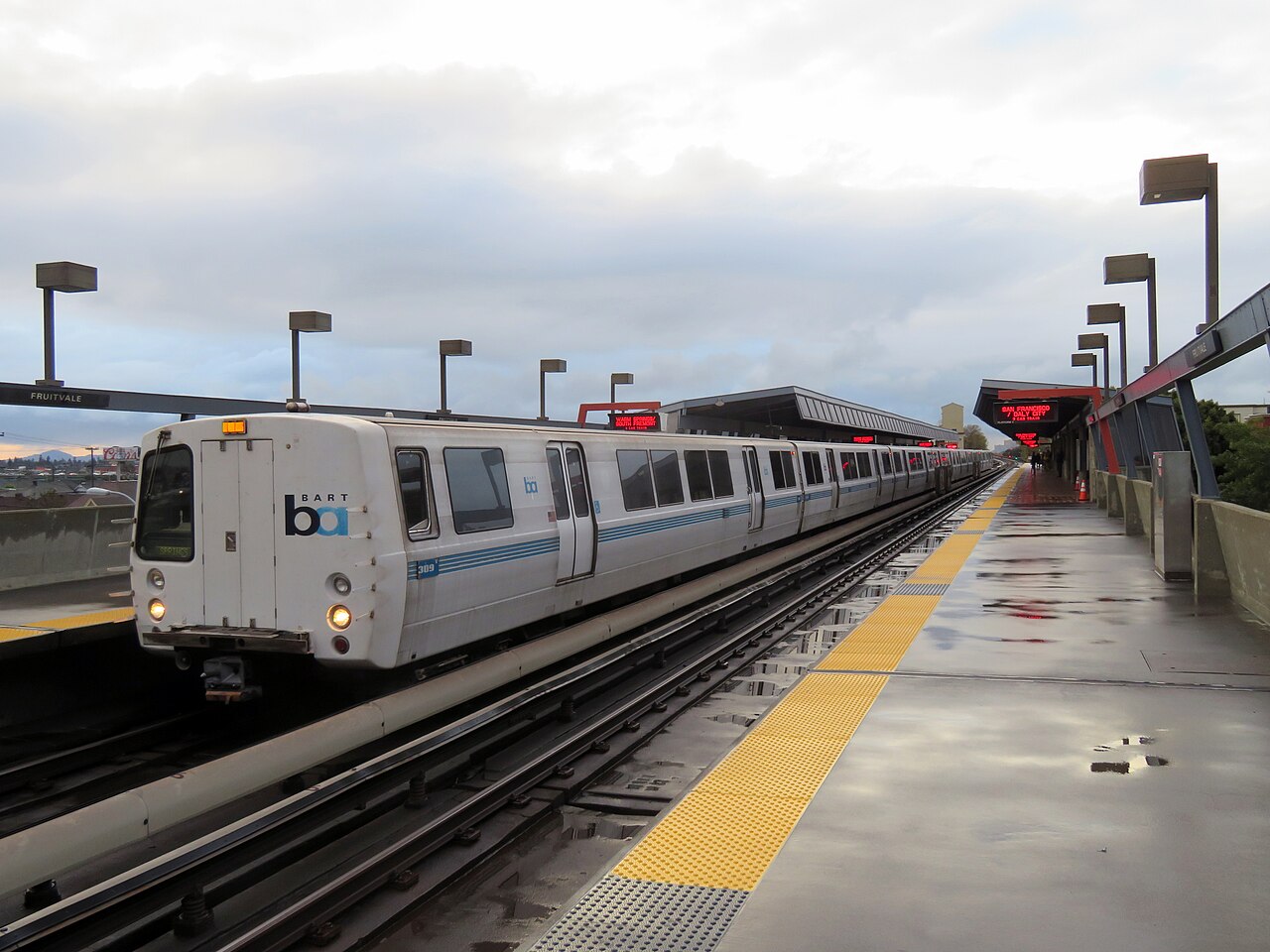
The alternatives frame the bridge's importance: BART under the bay, ferries across it, buses in the mix — each carrying thousands, none retiring the span. November adds its own variables: darkness at both ends of the commute, the first rains slicking oil off the decks, and holiday traffic building toward the end of the month.
The Bay Bridge commute is not loved, exactly. But it is shared — the one experience the whole region holds in common, twice a day, at fifteen-second intervals.