The Ferry Building Clock and the Boats That Run Beneath It
Before the bridges, the Ferry Building was San Francisco's front door. The ferries are back in daily service — and the 1914 clock tower still tells the waterfront the time.
Every waterfront city has a clock it lives by, and San Francisco's stands 245 feet over the Embarcadero. The Ferry Building, opened in 1898 with its tower modeled on a Seville campanile, was for decades the busiest transit hub in the West — the front door through which the Bay Area arrived in the city by boat.
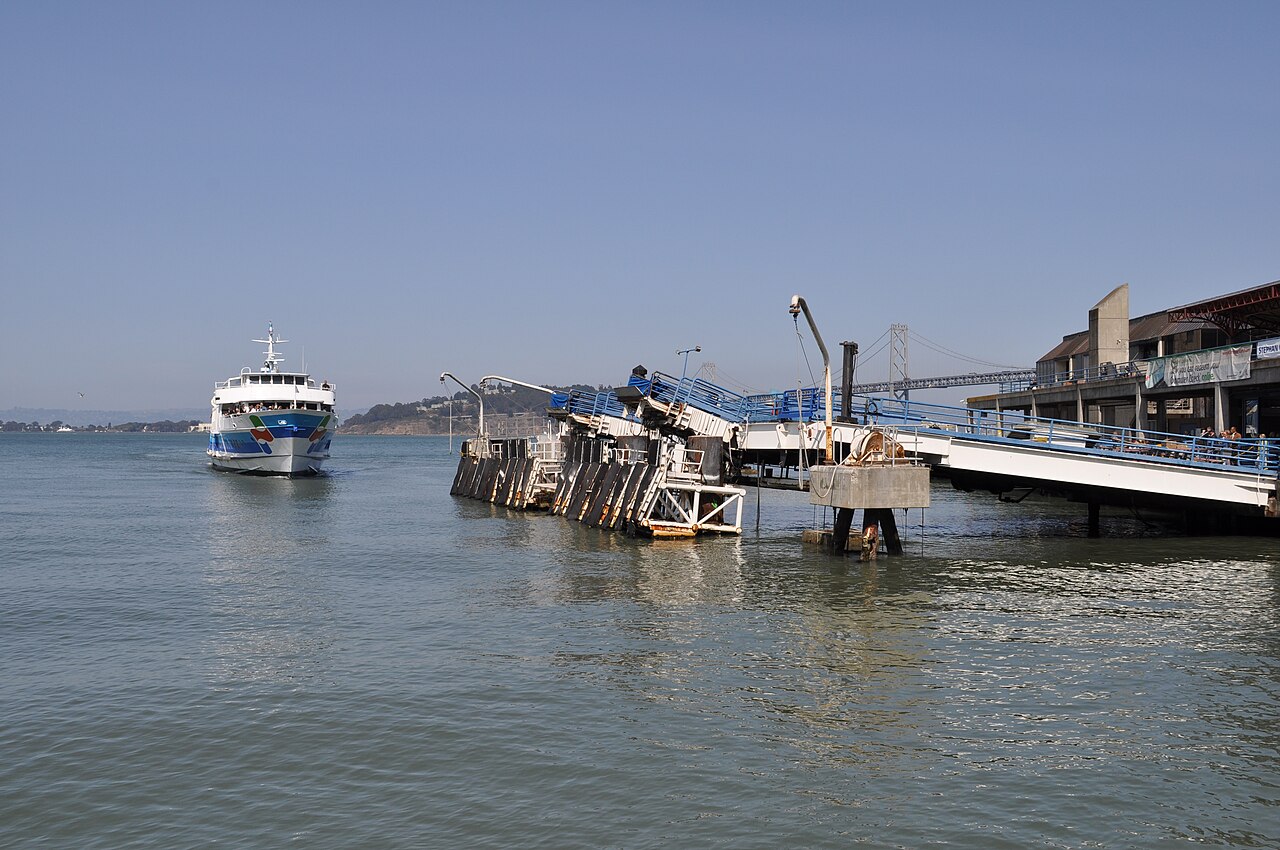
The bridges changed that, and the ferries faded to a memory. Then they came back. Today the terminal hums again with daily service — Golden Gate Ferry boats to Marin, San Francisco Bay Ferry routes across the water — commuters streaming through the same arched nave where their great-grandparents caught boats to Oakland before the Bay Bridge existed.
Inside, the building runs its second famous life: a marketplace of Bay Area food producers and the farmers markets that fill the surrounding plaza several days a week, turning a transit landmark into the city's pantry. The restoration kept the grand hall's bones — the mosaic, the skylit nave — and filled it with oyster bars and bookshops.
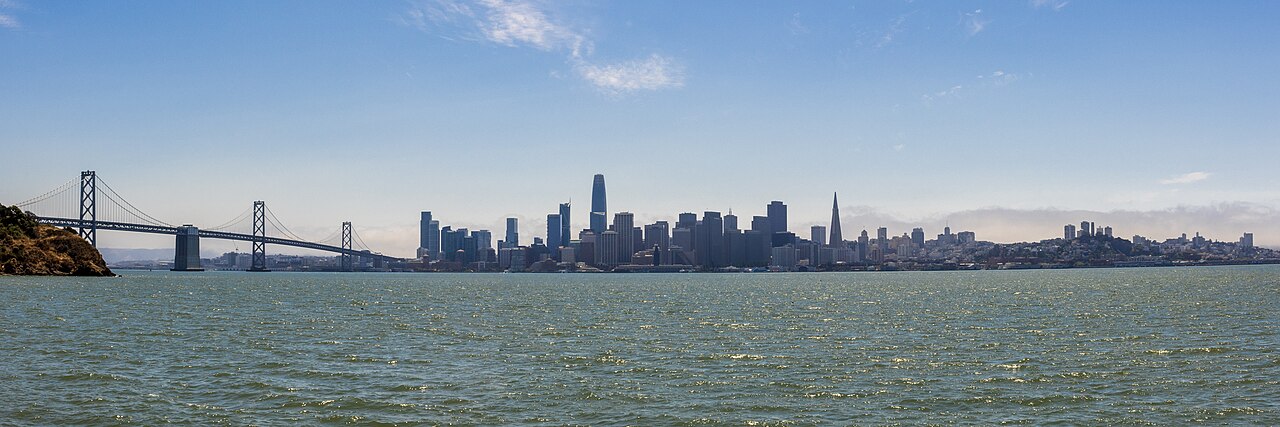
From the dock behind the building, the working harbor frames the view: ferries sliding in and out, Treasure Island and the Bay Bridge beyond, gulls arguing over the pilings. It remains the best free show on the waterfront.
The clock, wound into the tower in the building's earliest years, still keeps the city's time over all of it. Ferries were San Francisco's first transit system. Standing under that clock at rush hour, watching the boats load, it is easy to believe they might also be its most durable one.