
Following the Muni Money: What the Public Record Shows About Keeping the Buses Rolling
Muni is owned by the public, funded by a patchwork and examined in public documents. Our desk read the record — budgets, audits and board papers — to map where the money conversation actually happens.
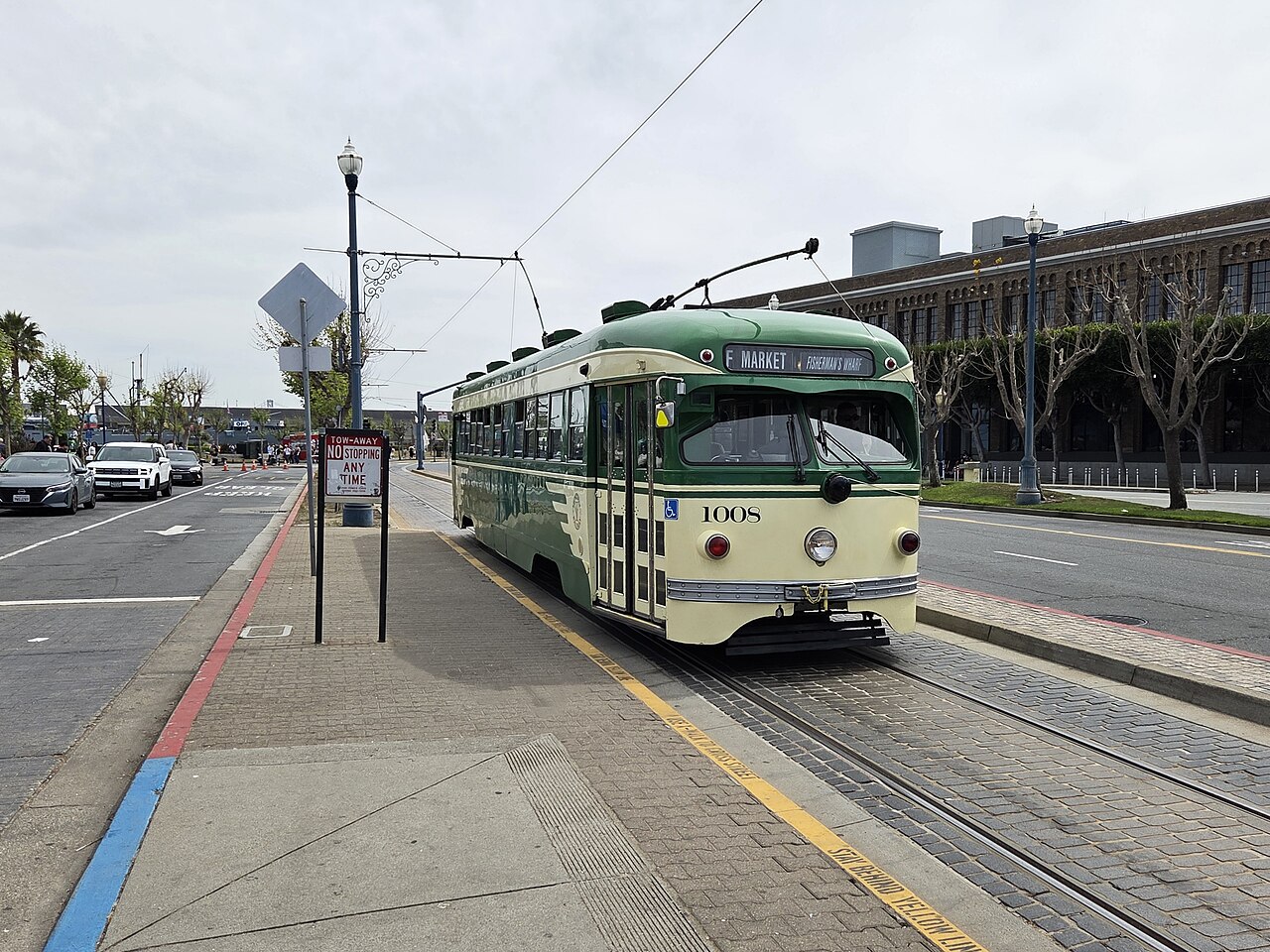
Start with the structure the documents lay out. Muni is part of the San Francisco Municipal Transportation Agency, the city agency that also runs streets, parking and taxis — a consolidation voters approved in 1999. Muni itself is one of America's oldest public transit systems, city-owned since 1912, running buses, light rail, historic streetcars and the cable cars under one roof and one budget conversation.
The money comes from a patchwork, and the patchwork is the story: fares cover part of operations, and the rest is assembled from parking revenue, the city's general fund, regional and state grants, and voter-approved measures — sales taxes and bonds that San Franciscans have passed over the decades to keep the system whole. Every strand of that funding is a public document: the SFMTA's budget books, board of directors' agendas and minutes, controller's audits and state reporting are all on the public record.
What the record shows, read carefully, is a permanent negotiation rather than a scandal: a century-old system with the costs of tunnels, hills and historic vehicles, funded year to year by a city that argues about the allocation in open session. Fare policy, service hours and capital projects like the Central Subway — the T Third line's extension to Chinatown, opened in stages in 2022–2023 — all leave paper trails that residents can and do follow.
What the record does not do is settle the argument. Documents can show what a service hour costs and where a dollar entered the system; they cannot decide how much transit San Francisco should buy. That decision belongs to the budget process — public, minuted and held in a building with a very famous dome.
Our desk will keep reading the SFMTA's filings as the next budget cycle takes shape. The documents are public. The least a newsroom can do is show up for them.