
Karl and the November Pattern: San Francisco's Weather Refuses One Season
The fog has a name, a social media following and no respect for the calendar. November in San Francisco is when the marine layer and the offshore winds fight it out, hill by hill.
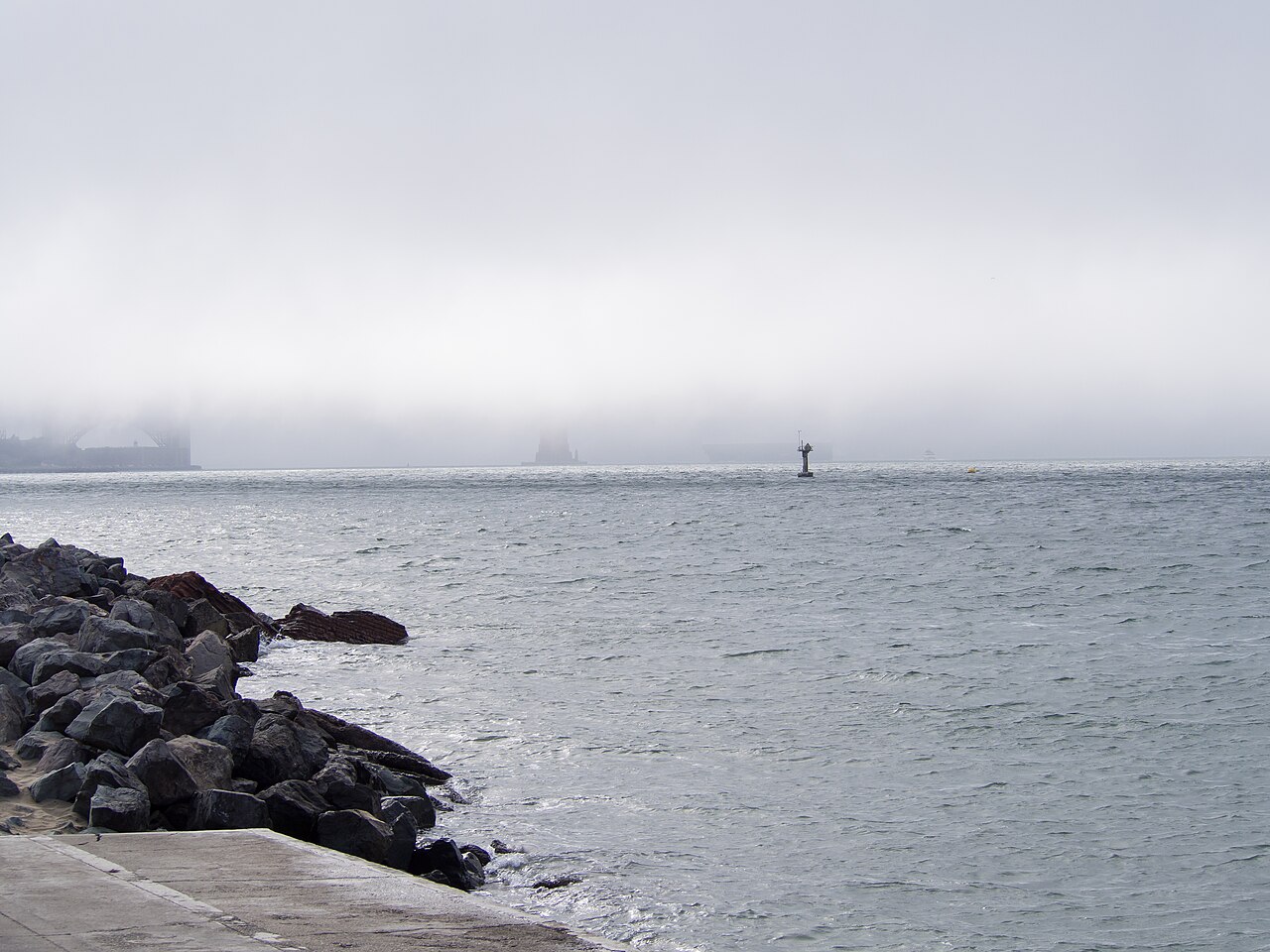
San Francisco's fog is so persistent the city named it: Karl. The marine layer that pours through the Golden Gate and over Twin Peaks has its own folklore and following — but Karl is also a serious piece of meteorology, driven by the cold California Current offshore and the pressure patterns that pull ocean air inland whenever the interior heats up.
November is Karl's contested season. The summer pattern — fog banked against the coast for days — gives way to a tug-of-war: marine air surging in on one day, offshore winds clearing the sky and warming the city on the next. The National Weather Service's Monterey office, which forecasts for San Francisco, tracks the duel in its daily discussions, and the city's microclimates referee it neighborhood by neighborhood.
That last part is the local truth no forecast map fully captures. The Mission can sit in sun while the Outer Sunset disappears into gray; the bay side clears while the ocean side vanishes. Elevation, exposure and the gaps in the hills decide who gets Karl and who gets the postcard, sometimes within the same afternoon and the same ZIP code.
For residents, the practical dressing rule is the city's oldest: layers, always, and a jacket that lives by the door from May through November. For visitors, the rule is identical, plus one corollary — a fogged-in Golden Gate Bridge is not a ruined view. It is the authentic one, towers dissolving into white exactly as they have since 1937.
This week, expect the argument between ocean and land to continue — clear mornings, gray returns, and Karl making appearances on his own schedule. In San Francisco, that is not unsettled weather. That is the climate, keeping its character.