City Hall at the Center: The Beaux-Arts Dome That Runs a City
San Francisco's City Hall is grander than its predecessor, taller than the U.S. Capitol's dome — and, on a weekday, a working office where the city's business gets done under the rotunda.
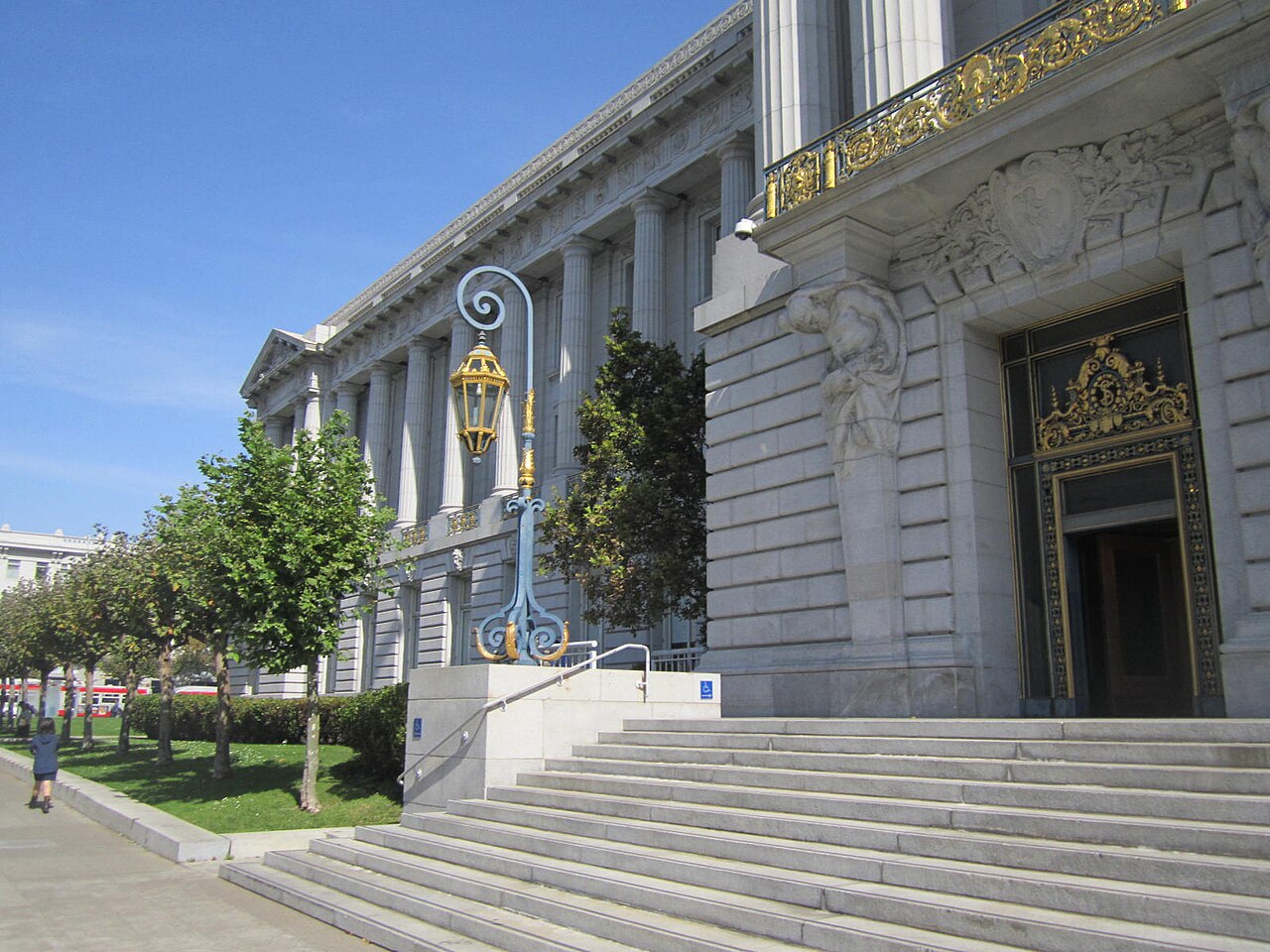
San Francisco built its City Hall to make a statement about survival. The 1906 earthquake and fire destroyed the old one; the replacement, opened in 1915 in the Civic Center, answered with a dome that rises higher than the U.S. Capitol's and a Beaux-Arts confidence meant to announce that the city was back and intended to stay.
The building is the seat of the City and County of San Francisco — the consolidated government that runs everything from Muni to the port — and it works like one: supervisors' offices, the mayor's office, the grand rotunda where marriages are performed on weekdays in one of the most beautiful civil ceremonies in America, couples lining the marble stairs for photographs.
Tomorrow it takes on its most democratic role. The Department of Elections runs its Voting Center on the ground floor, in front of Room 48 — the city's all-purpose voting location, open to every San Francisco voter for weeks before Election Day and from 7 a.m. to 8 p.m. on the day itself. Conditional registration, replacement ballots, language assistance and accessible voting all live under the dome.
The neighborhood around it — Civic Center Plaza, the main library, the Asian Art Museum, the theaters of the nearby performing arts district — has carried the city's hopes and difficulties in public view for decades, and City Hall has presided over every chapter.
Walk through the Polk Street doors on a November morning and the building makes its argument without a word: in San Francisco, government sits in a palace — and the palace doors are open.